Identifying Hazardous Trees On Your Georgia Property
February 10, 2026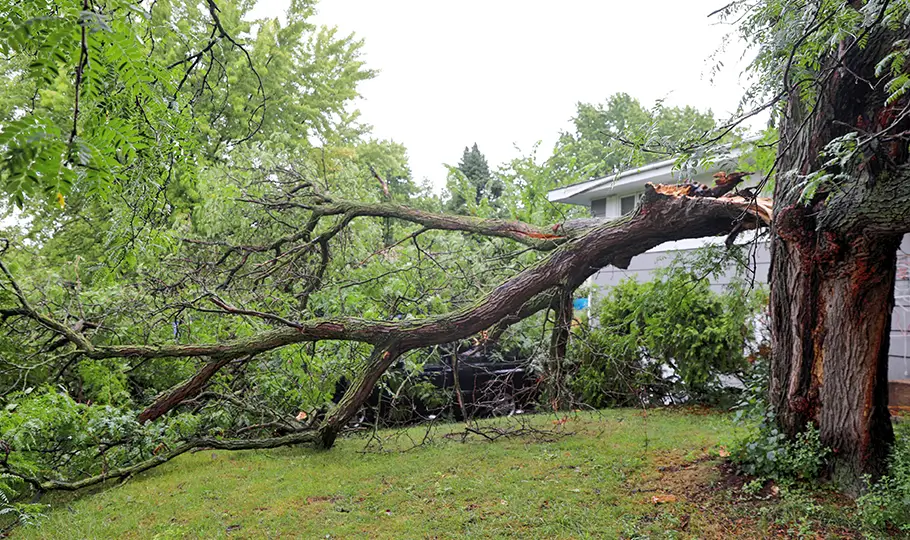
Athens, Georgia, is filled with some of the country’s most beautiful and long-lived flowering dogwood, pine, oak, and hickory trees. While these trees provide valuable shade, shelter, and food for your family and local wildlife, their large size means they can pose a serious risk to your home and safety if they become diseased, damaged, or structurally compromised.
In Georgia, where many types of trees are known for their wide, low-hanging branches and iconic slanted growth patterns, it can be challenging to distinguish between healthy, hazardous, and at-risk trees. Luckily, our tree care experts at Cowart Tree Service LLC have picked up a few tips and tricks for identifying dangerous trees over the years. Continue reading to learn more about how our Georgia tree care and removal experts identify diseased, damaged, and problematic trees in the Athens, GA, area!
Signs A Tree Is Diseased
When evaluating the condition of a tree on your property, our arborists begin by carefully checking your tree for any signs of disease that might compromise the tree’s health or stability. Georgia’s high humidity and frequent rainstorms make diseases, such as anthracnose, oak wilt, and powdery mildew, widespread and difficult to curb. To limit the spread of these highly contagious tree diseases, it is important to always be on the lookout for signs of disease so that they can be addressed before your entire tree is compromised.
Discolored & Wilted Leaves
Diseases that affect the nutrient absorption of your tree’s leaves, such as wilt, anthracnose, and powdery mildew, can cause foliage to drop, become discolored, or wilt. If widespread, these diseases can make your tree brittle and more vulnerable to dropping branches or falling altogether.
Fungal Growth
Mushroom growth around the base of your tree, excessive canker formation, or a dark, sunken area at the base of the trunk are all signs that your tree may be suffering from root rot. Root rot thrives in humid environments with poor soil drainage, making it particularly prevalent during Athens, GA’s rainy season. This disease eats away at your tree’s root system, limiting its ability to absorb nutrients from the soil and, if left untreated, significantly weakens your tree structurally over time.
Rapid Dieback
Another sign of disease that should not be ignored in a once thriving tree is rapid dieback. Snapped and fallen branches, sparse foliage, and an excess of brown, dried-out, and falling leaves are abnormal, especially when they occur during the summer and spring. Care should be taken to ensure your tree is not being affected by the infamous oak wilt, anthracnose, or leaf spot diseases, as these diseases are highly contagious and can quickly compromise the structural security of your tree.
No need to panic if you suspect your tree is suffering from disease! Contrary to popular opinion, emergency tree removal is not the only way to stop the spread of many common tree diseases in Athens, Georgia. If caught early, our tree care and maintenance services are oftentimes able to rectify most common tree diseases through proper tree trimming, pruning, and soil management techniques. Protect your property from hazardous trees by calling Cowart Tree Service LLC today! We offer a variety of tree care, maintenance, and removal services to suit the unique needs of every Georgian homeowner.
What Growth Patterns Indicate A Hazardous Tree?
Even trees that are unaffected by disease can become hazardous. Leaning, fragile, or otherwise unstable trees can shed branches or fall altogether, and should be identified before they begin to pose a significant threat to the safety of your property and the well-being of your family. Whether it’s caused by old age, inclement weather, or a rampant pest infestation, many hazardous trees can be identified by their changing growth patterns, root systems, and lean.
Exaggerated Or Sudden Lean
Many of Georgia’s most popular residential trees, such as the southern live oak and river birch, naturally grow at a slight angle. Long, horizontal branches help southern live oaks withstand strong winds and maximize their ability to absorb energy from the sun. Similarly, slightly angled trunks help many types of trees compete for resources in densely populated areas. An exaggerated lean, however, or one that develops suddenly, is definitely a sign for concern. A tree that is leaning excessively (over 15 ° from the ground) may be at risk of falling altogether. This signifies weakness in your tree’s root system, which will only be made worse by wind, rain, and more intense storms that are common in Athens, Georgia.
Exposed Roots
It is not abnormal for the roots of a large, mature tree to slightly protrude out of the ground. Large live oaks, in particular, are infamous for growing thick, shallow roots that present as tripping hazards once the tree matures. In fact, many trees favor shallow root systems, wherein roots grow close to the surface for better oxygen and moisture absorption.
Overly exposed roots, however, are a cause for concern. If the entirety of your tree’s root system is exposed or seems to be lifting from the ground rather than growing out of it, your tree is hazardous and may need to be removed before it falls on its own.
Thinning Canopy
A thinning canopy signals that your tree is either suffering from disease or struggling to receive enough nutrients to support itself. If your tree is having trouble recovering from winter, this is a warning sign that should not be ignored. A thinning canopy cannot produce enough energy to support itself, resulting in a brittle, unhealthy tree that is at a higher risk of falling.
Abnormal Growth
Multiple or crooked trunks, weak branch unions, and lopsided canopy coverage are all signs that your tree is compensating for stress, insufficient nutrients, or internal decay. If your tree is growing abnormally, consult a professional arborist to see if your tree can be salvaged with fertilizer, pruning, and careful monitoring. If your tree is too hazardous to remain as it is, tree removal services may be necessary.
Take Action
Don’t hesitate to reach out to your local tree company if you are concerned about the health and stability of one or more of the trees on your property! While not all hazardous trees need to be removed immediately, it is always a good idea to call out a tree care professional as soon as possible to limit the risk of fallen trees and branches from damaging your property.
To learn more about identifying hazardous trees on your Georgia property, reach out to Cowart Tree Service LLC today. We offer a variety of tree care, trimming, pruning, and removal services to suit the dynamic needs of our Athens customers. We even offer 24/7 emergency tree removal services, should the need arise!
Frequently Asked Questions
What Makes A Tree Dangerous?
A tree is dangerous if it is likely to fall and cause damage to nearby people, roadways, or buildings. In many cases, tree removal services are necessary to protect the well-being of your property from unforeseen damage.
What Are Signs Of A Hazardous Tree?
Signs of a hazardous tree in Athens, Georgia, include the following.
- Fungal growth at the base of the tree
- Excessively leaning trunk
- Brown, wilting, or sparse leaves
- Overly exposed roots
When Should I Call A Tree Care Professional?
If you are concerned about the state of any trees on your property, it is best to call a tree care professional as soon as possible to rule out the risk of disease and falling trees or large limbs.